Publishing · Illustration · Animation
Little Lamb: A Way Back Home
Taking an original children’s story from idea to illustrated, published product.

Role
Author + illustrator
Audience
Ages 2–8
Format
Picture book
Scope
End-to-end
01 · The story
Storytelling shaped every creative decision
Little Lamb: A Way Back Home began as an original children's story before developing into a complete illustrated picture book. Rather than treating illustration, typography and narrative as separate elements, I designed them to work together — allowing each page, character and word to contribute to the emotional rhythm and meaning of the story.
The visual direction was created specifically for a young audience, balancing simplicity and warmth with enough detail to reward repeated reading.
Little Lamb: A Way Back Home began as an original children’s story before developing into a complete illustrated picture book. Rather than treating illustration, typography and narrative as separate elements, I designed them to work together — allowing each page, character and word to contribute to the emotional rhythm and meaning of the story.
The visual direction was created specifically for a young audience, balancing simplicity and warmth with enough detail to reward repeated reading.

02 · Character development
02 · Character development


Sketch 02

Characters needed to communicate before they spoke.
The character-development process explored shape, proportion, expression and personality before progressing into the final illustration style. I wanted the characters to feel immediately approachable to younger readers while remaining expressive enough to carry the emotional moments within the story.
The character-development process explored shape, proportion, expression and personality before progressing into the final illustration style. I wanted the characters to feel immediately approachable to younger readers while remaining expressive enough to carry the emotional moments within the story.
03 · The book
03 · The book

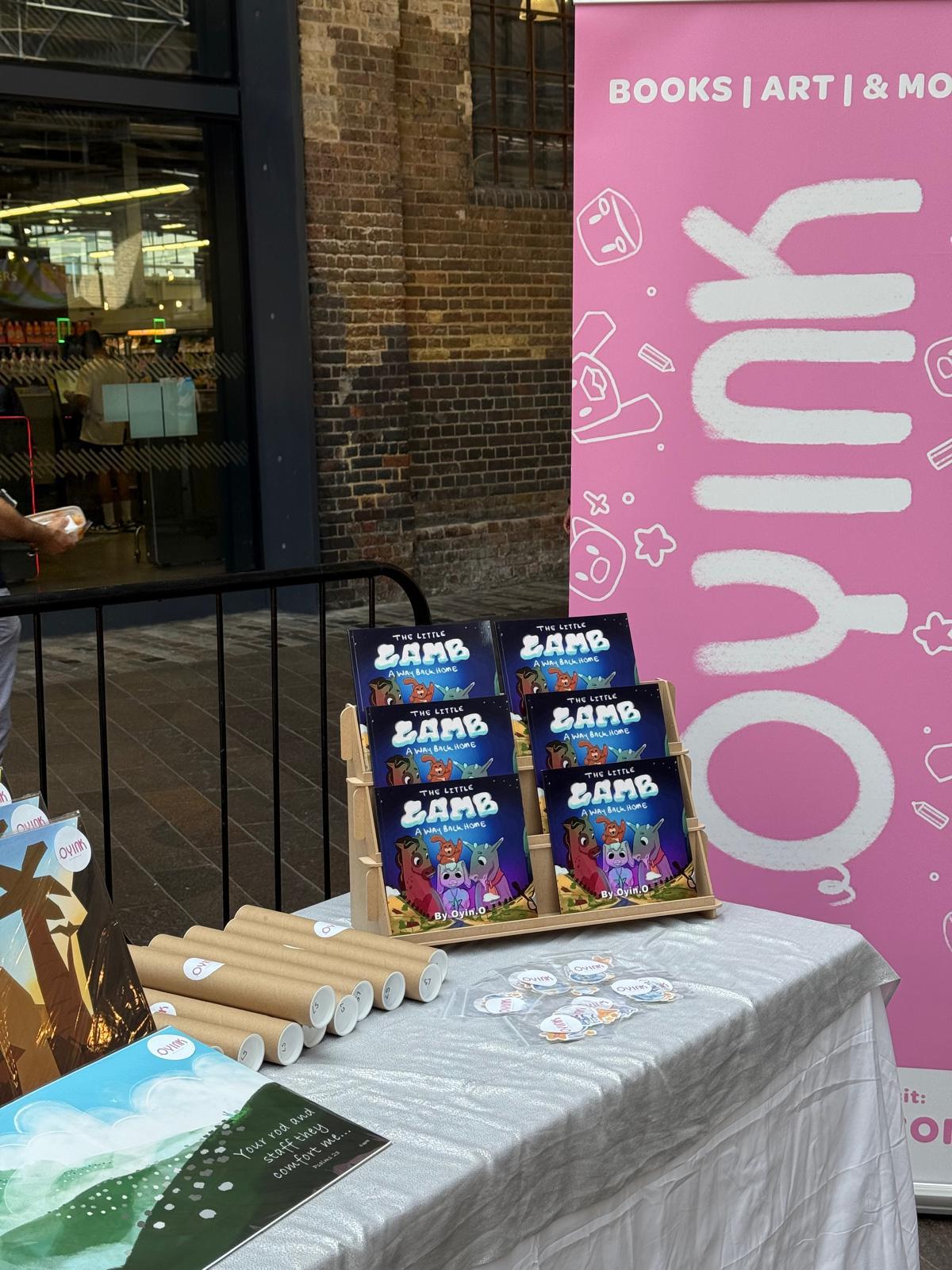
Bringing the story to life on the page
The final book design considered more than individual illustrations. I developed each spread with pacing, page turns, composition and the relationship between text and image in mind, creating a reading experience that feels clear, expressive and engaging for younger audiences.
Bringing the story to life on the page
The final book design considered more than individual illustrations. I developed each spread with pacing, page turns, composition and the relationship between text and image in mind, creating a reading experience that feels clear, expressive and engaging for younger audiences.
The story became the starting point rather than the end point.
I began exploring how the characters and visual language could extend beyond the original book into a broader children's brand. This included considering animation, digital content and additional storytelling formats while maintaining the personality established within the publication.
The story became the starting point rather than the end point.
I began exploring how the characters and visual language could extend beyond the original book into a broader children’s brand. This included considering animation, digital content and additional storytelling formats while maintaining the personality established within the publication.

04 · From book to brand
04 · From book to brand
